Understanding appliance installation basics is crucial for effective Home Repair and Maintenance. This includes recognizing unique requirements, adhering to safety standards, and properly connecting utilities or water lines. Regular maintenance, such as cleaning vents and inspecting connections, extends appliance lifespan. While homeowners can handle basic tasks, complex installations like electrical work and gas lines require professionals to ensure optimal performance and safety.
Appliance installation and repair are essential aspects of home ownership, impacting comfort and saving costs. Understanding basic installation principles and common repairs can empower homeowners. This article guides you through the essentials, from grasping appliance installation fundamentals to identifying when professional help is required. We also offer valuable maintenance tips for prolonging appliance lifespan. By mastering these skills, you’ll enhance your home repair and maintenance repertoire, ensuring a comfortable living environment.
- Understanding Appliance Installation Basics
- Common Home Appliances and Their Repairs
- Maintenance Tips for Longevity
- When to Call in Professional Help
Understanding Appliance Installation Basics
Understanding Appliance Installation Basics is a crucial step in ensuring smooth home repair and maintenance. It involves recognizing the specific requirements for different types of appliances, from electric stoves to washer machines. Each appliance has unique features and safety standards that must be considered during installation to prevent accidents and ensure optimal performance.
Proper installation procedures include connecting electrical circuits, gas lines, or water pipes according to manufacturer guidelines and local building codes. It also entails securing the appliance stably to prevent vibrations and potential damage. Knowing these basics allows homeowners to either install appliances independently or hire professionals, thereby saving time and money while maintaining a well-functioning home environment.
Common Home Appliances and Their Repairs
In every home, appliances play a vital role in our daily routines, from cooking and cleaning to cooling and heating. Common home appliances that often require repair and maintenance include refrigerators, dishwashers, washing machines, and ovens. Refrigerator repairs may involve issues with temperature control, leaking, or power failures. Dishwasher troubleshooting can cover clogged filters, poor cleaning performance, or unusual noises. Washing machine problems might be related to water leakage, failure to spin, or noisy operation. Ovens can present challenges such as temperature regulation, heating element malfunctions, or timing issues.
Regular maintenance and timely repairs are essential for home repair and maintenance, ensuring these appliances operate efficiently and safely. Identifying common issues and understanding basic troubleshooting techniques can empower homeowners to handle minor repairs themselves, saving time and money. However, for more complex problems or when the appliance is outdated, professional assistance becomes necessary to ensure proper installation, safety, and optimal performance.
Maintenance Tips for Longevity
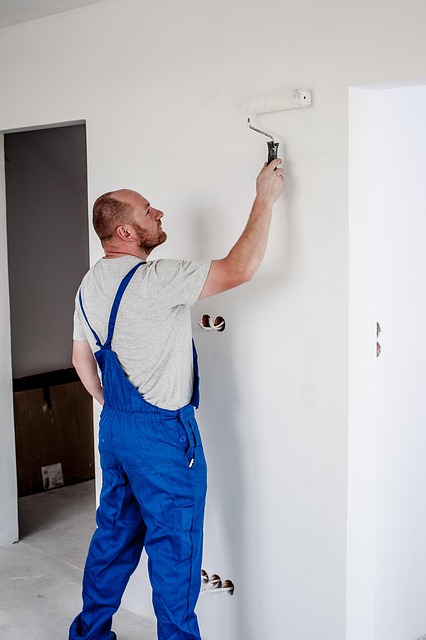
Regular maintenance is key to ensuring your appliances last for years to come. Start with simple, routine checks like cleaning dust and debris from vents and filters, which keeps them working efficiently and prevents premature breakdowns. Don’t forget to inspect connections for loose or damaged wires, as these can cause malfunctions and safety hazards.
Additionally, keep an eye on wear and tear indicators—any unusual noises, odd smells, or performance issues. Addressing small problems early can often prevent major repairs. Schedule professional tune-ups for more complex appliances to ensure optimal performance and extended lifespans. Remember, a little preventive care goes a long way in the world of home repair and maintenance.
When to Call in Professional Help
Many home owners are capable of performing basic appliance installation and repairs themselves, saving time and money. However, there comes a point where tasks become complex or potentially dangerous, signaling the need for professional help. Electrical work, gas line connections, and specialized equipment often require licensing and expertise beyond the average DIYer’s skill set.
Moreover, some issues may be subtle and difficult to diagnose, such as mysterious appliance malfunctions or unusual noises. In these cases, a qualified technician can pinpoint the problem efficiently. Regular maintenance is another area where professionals shine; they have the tools and knowledge to perform thorough checks, ensuring longevity and optimal performance of appliances, ultimately contributing to effective home repair and maintenance strategies.
Appliance installation and repair are essential aspects of home maintenance. By understanding basic installation principles, identifying common issues, and implementing regular upkeep, homeowners can extend the lifespan of their appliances. Knowing when to seek professional help is also crucial for ensuring efficient and safe operations. Embracing these practices contributes to effective home repair and maintenance, ultimately enhancing your living space’s functionality and comfort.